
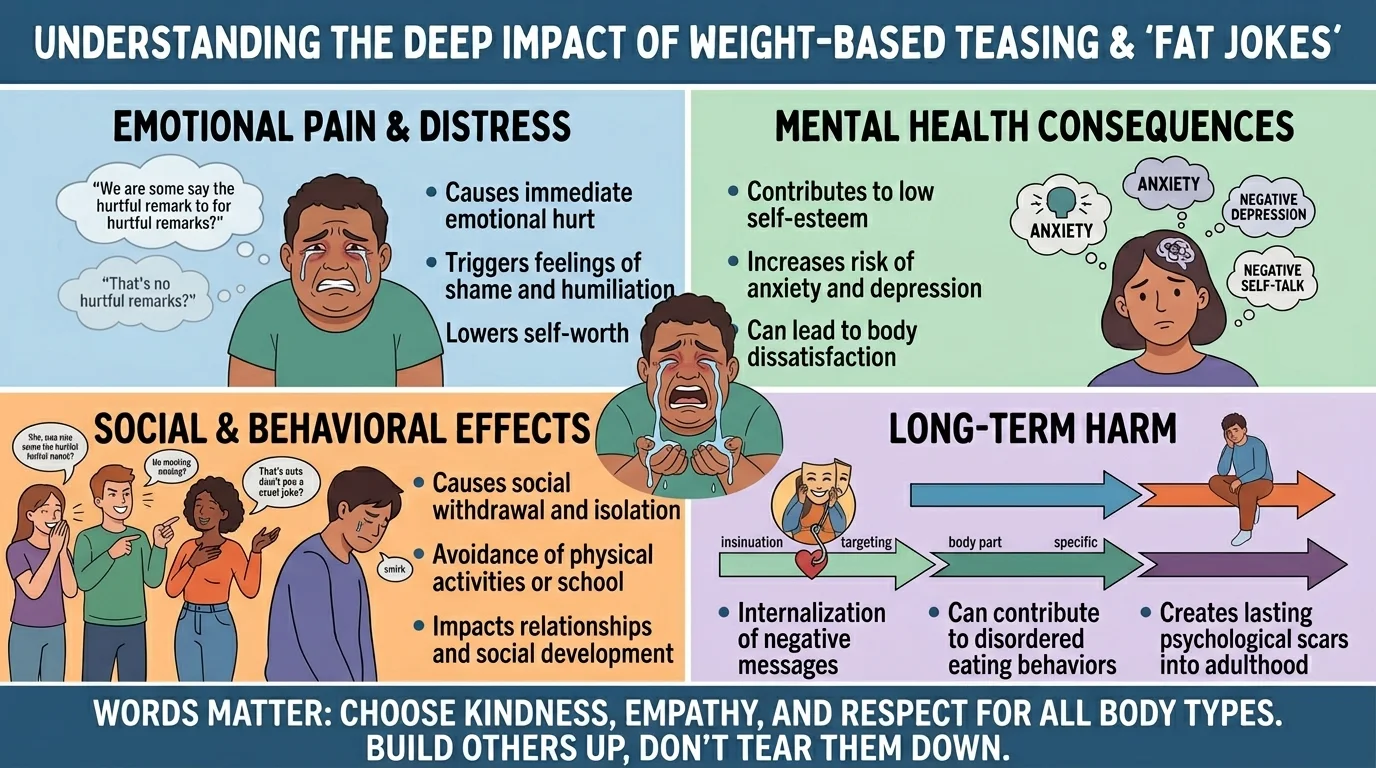
People sometimes search for fat jokes to make someone cry when they are angry, frustrated, or looking for a harsh comeback. However, jokes designed to humiliate someone because of their body size often do more than hurt feelings in the moment. They can damage friendships, create lasting emotional wounds, and contribute to body shaming.
Humor can be a powerful tool for connection, but it can also become a weapon when used to attack someone’s appearance. In many cases, the person telling the joke may get a quick reaction, but the long-term consequences can be far more significant than expected.
This article explores why weight-based insults are harmful, how they affect people emotionally, and what to say instead when you want to be funny, witty, or even critical without crossing the line into personal attacks.
What Does “Fat Jokes to Make Someone Cry” Mean?
The phrase typically refers to jokes, insults, or comments aimed at a person’s weight with the intention of causing embarrassment, sadness, or emotional pain.
Unlike lighthearted humor shared between friends who understand each other’s boundaries, these remarks are specifically designed to hurt. The goal is not laughter or entertainment. The goal is often humiliation.
Because body size is a sensitive topic for many people, weight-related insults can have a stronger emotional impact than people realize.
Why Weight-Based Fat Jokes to Make Someone Cry Can Be Harmful
They Target Personal Appearance
A person’s body is often tied to self-image and confidence.
When jokes focus on weight, they attack something deeply personal. Even if the comment is presented as humor, the underlying message can make someone feel judged or rejected.
This is especially true for people who have struggled with body image issues for years.
The Effects Can Last Longer Than Expected
Many people remember hurtful comments about their appearance long after they were spoken.
A joke that takes only a few seconds to say may stay in someone’s memory for months or even years. Repeated teasing can contribute to lower self-esteem and strained relationships.
Words often have a lasting impact, particularly when they target personal insecurities.
They Rarely Solve Conflicts
People sometimes use insults when they are angry.
However, attacking someone’s appearance usually escalates a conflict rather than resolving it. Instead of addressing the real issue, the conversation becomes focused on personal attacks.
As a result, relationships often become more damaged and difficult to repair.
Why People Search for Hurtful Comebacks Fat Jokes to Make Someone Cry
Anger and Frustration
When emotions run high, people often look for the most painful thing they can say.
Weight-based insults may seem effective in the moment because they are likely to trigger an emotional reaction. However, they rarely address the actual problem that caused the conflict.
The result is usually more hostility rather than a solution.
Social Media Culture
Online platforms have made insults and roasting culture more visible.
People sometimes see harsh jokes gaining attention and assume that cruelty equals humor. In reality, the most successful comedians often rely on creativity, timing, and observation rather than personal attacks.
Being funny and being hurtful are not the same thing.
Seeking Revenge
Some individuals search for devastating insults because they feel wronged.
While the desire for revenge is understandable, personal attacks often create a cycle where both sides become increasingly hostile. The situation frequently gets worse rather than better.
A clever response is usually more effective than a cruel one.
The Difference Between Roasting and Bullying
Friendly Roasting Fat Jokes to Make Someone Cry
Among close friends, playful teasing may be accepted when everyone understands the boundaries.
The purpose is mutual laughter rather than humiliation.
Healthy roasting typically avoids deeply personal insecurities and respects the comfort level of everyone involved.
Bullying
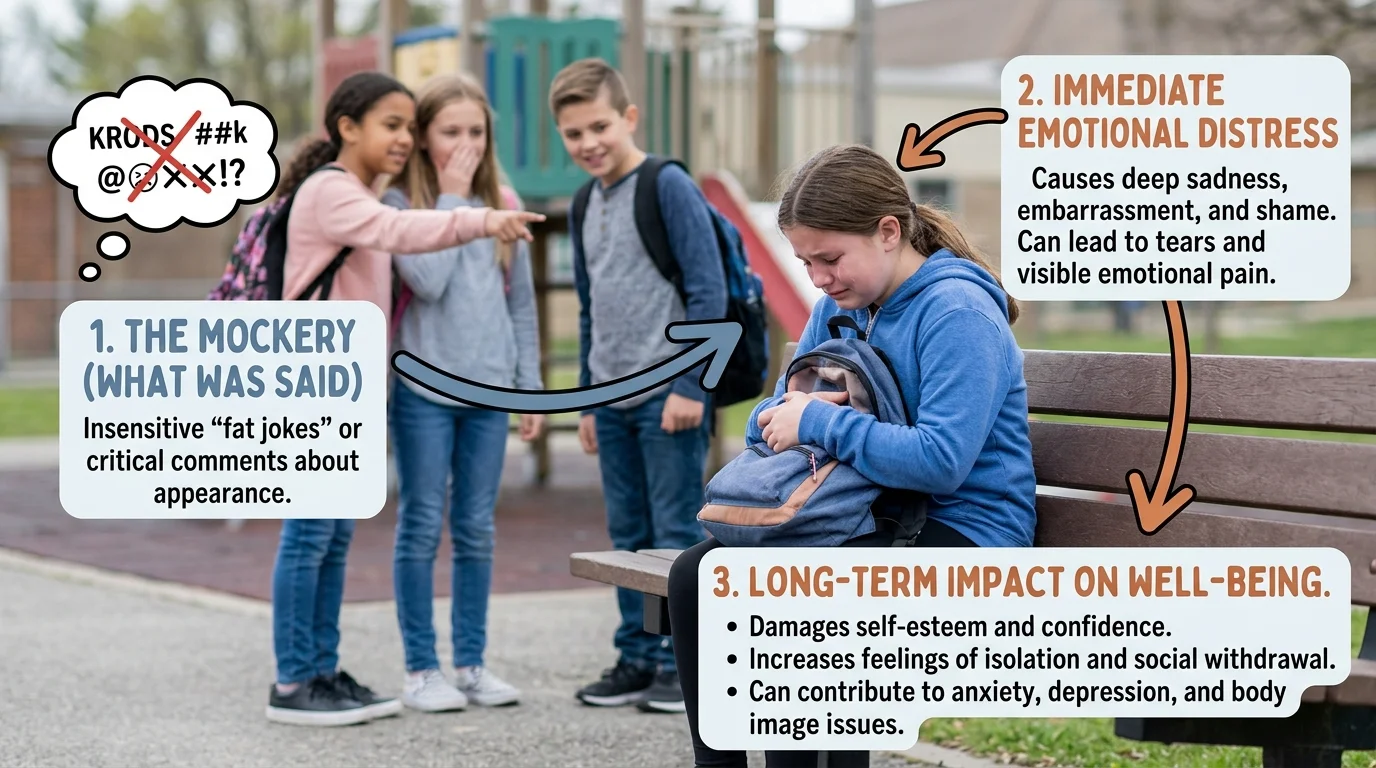
Bullying occurs when comments are intended to embarrass, shame, or emotionally hurt someone.
If the goal is to make a person cry, feel worthless, or become insecure, the behavior moves beyond humor and into harmful territory.
Intent matters, but impact matters even more.
Knowing the Boundary
A useful question to ask is simple:
Would both people laugh about the joke afterward?
If the answer is no, the comment may be crossing a line.
Better Alternatives to Weight-Based Insults
Use Humor Without Targeting Appearance
Funny observations, clever wordplay, and situational jokes can be entertaining without attacking someone’s body.
Humor is often more impressive when it relies on creativity rather than personal insults.
People are more likely to respect a genuinely witty response than a cheap shot.
Address Behavior Instead of Appearance
If someone has upset you, focus on what they did rather than how they look.
Discussing actions creates opportunities for productive conversations. Attacking appearance usually creates defensiveness and resentment.
Criticize behavior when necessary, not physical characteristics.
Choose Confidence Over Cruelty
Sometimes the strongest response is not an insult at all.
Remaining calm and confident often has a greater impact than trying to say the most hurtful thing possible.
People tend to remember composure more than cruelty.
Why Positive Humor Works Better
It Builds Connections
Good humor brings people together.
Shared laughter can strengthen friendships, improve communication, and create positive experiences.
Humor based on kindness and creativity tends to leave people feeling better rather than worse.
It Demonstrates Emotional Intelligence
Being able to make people laugh without attacking them requires skill.
The most memorable comedians often succeed because they understand timing, storytelling, and human behavior rather than relying on personal insults.
Positive humor usually reflects confidence rather than insecurity.
It Creates Better Relationships
People naturally gravitate toward individuals who make them feel comfortable and appreciated.
Someone known for hurtful jokes may gain attention temporarily, but someone known for positive humor often earns lasting respect.
What to Do If Someone Makes Fat Jokes About You
Stay Calm
Responding with anger may escalate the situation.
Remaining calm helps you maintain control and prevents the other person from getting the reaction they may be seeking.
Confidence often reduces the power of insults.
Set Boundaries
If the comments are repetitive or hurtful, clearly communicate that the behavior is unacceptable.
Healthy boundaries help protect self-respect and encourage more respectful interactions.
Focus on Supportive People
Surrounding yourself with positive influences can reduce the impact of negative comments.
Friends, family members, and supportive communities often provide valuable perspective when dealing with criticism or bullying.
Frequently Asked Questions
Q: Why do people make fat jokes?
A: People may make weight-related jokes for attention, social approval, frustration, or because they believe the comments are harmless. However, many fail to recognize the emotional impact such jokes can have on others.
Q: Are fat jokes considered bullying?
A: They can be. If the purpose is to embarrass, shame, or emotionally hurt someone because of their weight, the behavior may be considered bullying rather than humor.
Q: How should I respond to weight-based insults?
A: Staying calm, setting clear boundaries, and refusing to engage in personal attacks are often the most effective responses. Confidence frequently has a greater impact than retaliation.
Q: Can jokes about weight affect mental health?
A: Repeated negative comments about appearance can contribute to lower self-esteem, body image concerns, and emotional distress for some individuals.
Q: What are better alternatives to hurtful jokes?
A: Clever observations, situational humor, playful banter, and witty comebacks that avoid personal insecurities are usually more effective and less damaging.
Conclusion
The search for fat jokes to make someone cry often comes from a desire to hurt, embarrass, or get revenge. While such comments may provoke a reaction, they rarely improve a situation and can cause lasting emotional harm. Weight-based insults target personal insecurities rather than addressing real issues.
Humor is most powerful when it creates connection rather than pain. Whether you’re dealing with conflict, looking for a comeback, or simply trying to be funny, creativity and confidence will always leave a stronger impression than cruelty. Choosing respectful humor doesn’t make a joke weaker. It often makes it smarter.