
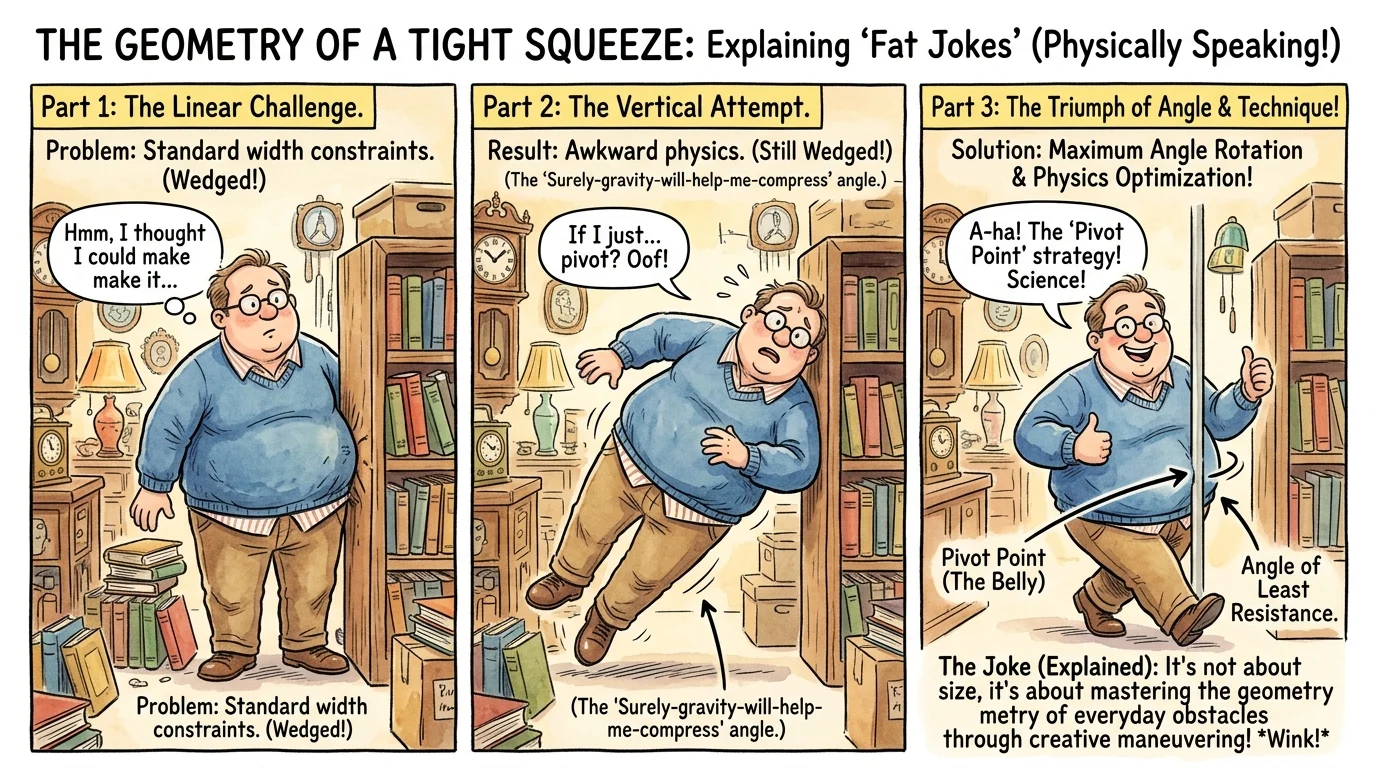
Funny Fat Jokes has always been a way for people to connect, laugh, and make everyday situations more enjoyable. Among the many types of comedy, funny fat jokes have remained popular for decades. From classic one-liners and food-related puns to self-deprecating humor and playful observations, weight-based jokes continue to appear in stand-up comedy, social media, movies, and casual conversations.
However, modern audiences are increasingly aware of the difference between laughing with someone and laughing at someone. Many comedians and humor writers now favor body-positive jokes that focus on relatable experiences, food cravings, confidence, and self-awareness rather than mockery. Discussions around fat-shaming have also encouraged people to think more carefully about how humor affects others.
This guide explores funny fat jokes, why people enjoy them, the difference between playful humor and hurtful comments, and a collection of lighthearted jokes designed to entertain without crossing the line.
What Makes Fat Jokes Funny?
The Role of Exaggeration
Most successful jokes rely on exaggeration.
A joke becomes funny because it takes an ordinary situation and stretches it beyond reality. Weight-related humor often works the same way. The funniest examples are usually absurd, impossible, and clearly unrealistic.
When someone says, “I’m not overweight, I’m just easier to spot in a crowd,” the humor comes from exaggerating a common experience rather than attacking someone’s appearance.
Comedy frequently depends on surprise and unexpected twists. Research into humor consistently shows that people laugh when expectations are disrupted in a clever way.
Self-Deprecating Funny Fat Jokes
Many of the most popular weight jokes are self-directed.
People often joke about themselves because it creates a sense of relatability. Self-deprecating humor can show confidence, self-awareness, and a willingness to laugh at life’s imperfections.
For example:
- “I’m on a seafood diet. I see food and I eat it.”
- “My favorite exercise is lifting snacks.”
- “I’m not lazy. I’m energy efficient.”
These jokes focus on everyday experiences rather than targeting others.
Shared Experiences Funny Fat Jokes
Food cravings, skipped workouts, oversized portions, and comfort eating are experiences many people understand.
Jokes become more enjoyable when audiences can recognize themselves in the punchline.
That shared recognition often matters more than the subject itself.
Classic Funny Fat Jokes
Some jokes have remained popular because they are simple, harmless, and easy to remember.
Here are a few classic examples:
- I’m not fat. I’m just easier to see.
- I’m not overweight. I’m under-tall.
- I have a six-pack. It’s just protected by a layer of insulation.
- I don’t run because I don’t want to spill my snacks.
- My relationship with food is long-term and very committed.
- I’m not chubby. I’m easier to hug.
- I don’t gain weight. I store happiness.
- My favorite sport is competitive eating.
- I’m not out of shape. Round is a shape.
- Dieting is the only game where you lose and still win.
These jokes work because they are playful rather than personal.
Funny One-Liners About Food Funny Fat Jokes
Snack Humor Never Gets Old
Food and humor often go hand in hand.
Many weight-related jokes revolve around the universal love of snacks, desserts, and comfort food.
Consider these examples:
- My refrigerator and I are in a serious relationship.
- I exercise every day. I run out of snacks regularly.
- Calories don’t count when nobody sees you eating.
- I don’t have a sweet tooth. I have sweet teeth.
- Pizza understands me better than most people.
Food-based humor tends to be safer because it focuses on behavior rather than appearance.
Relatable Everyday Jokes
Many people laugh at food jokes because they recognize the situations immediately.
A late-night trip to the kitchen or a promise to start a diet “tomorrow” has become comedy material for generations.
Examples include:
- I started a diet today. It ended after lunch.
- My willpower disappeared when dessert arrived.
- The snack aisle knows my name.
- I went shopping hungry and accidentally bought everything.
- My cheat day became a cheat weekend.
Body-Positive Weight Funny Fat Jokes
Laughing Without Mocking
Modern comedy increasingly emphasizes body positivity.
Many people enjoy jokes that celebrate confidence rather than criticize appearance. This approach creates humor while avoiding the negativity often associated with fat-shaming.
Body-positive jokes focus on personality, confidence, and relatable experiences.
For example:
- I’m not extra. I’m the deluxe edition.
- More personality requires more storage space.
- I bring big energy wherever I go.
- Confidence weighs nothing but carries everything.
- I’m built for comfort and comedy.
Why Positive Humor Works Better
Humor generally feels more enjoyable when everyone can laugh together.
Research and public discussions about comedy frequently highlight that context and intent influence whether a joke feels playful or offensive.
When jokes avoid targeting or humiliating people, they often appeal to a broader audience.
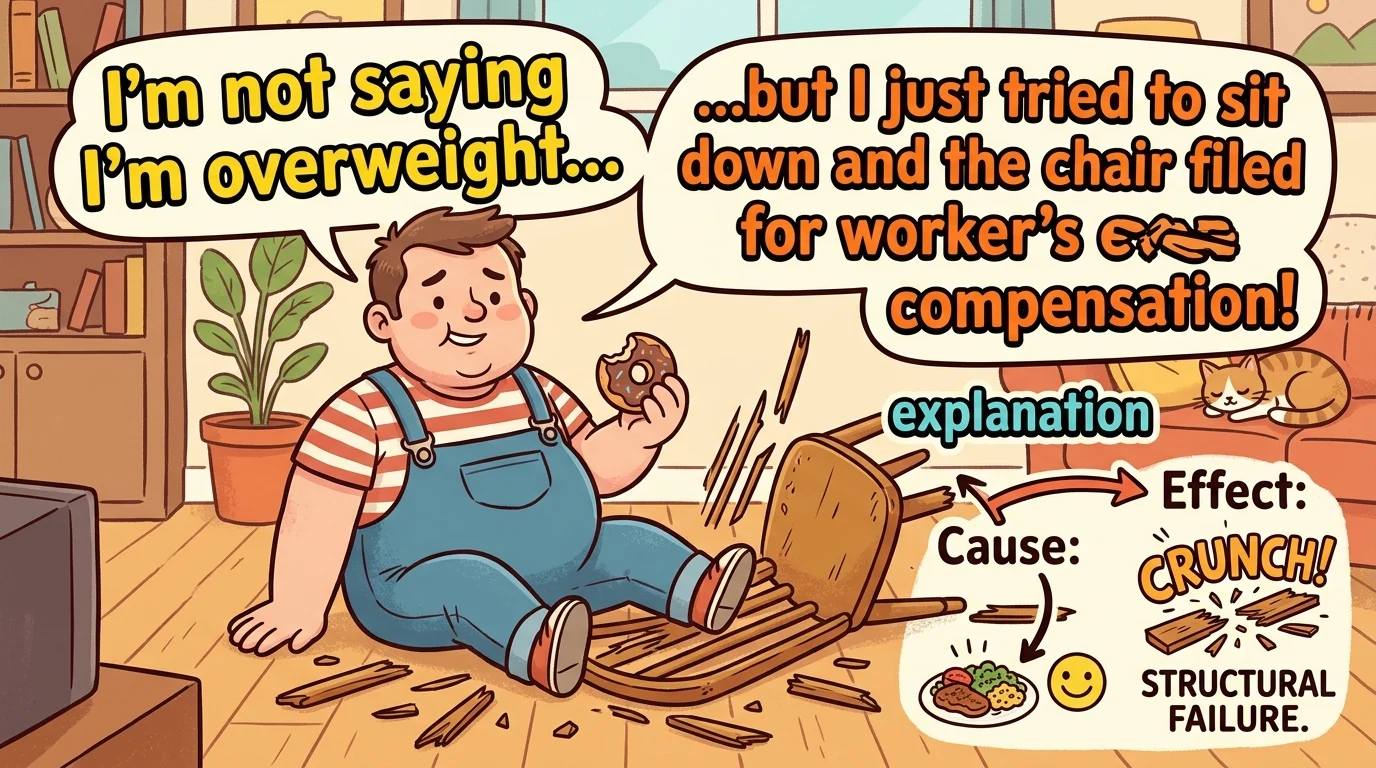
Fat Jokes in Stand-Up Comedy
A Long History in Entertainment
Weight jokes have been part of comedy for decades.
Many comedians have used self-deprecating humor to connect with audiences. The humor often comes from relatable struggles, personal stories, and exaggerated observations rather than direct insults.
Successful comedians understand that audiences generally respond better to authenticity than cruelty.
The Shift Toward Kind Funny Fat Jokes
Comedy continues to evolve.
Many performers now focus on storytelling and self-awareness rather than relying on stereotypes. Public conversations about body image have encouraged comedians to think carefully about how jokes affect different audiences.
As a result, modern weight humor often feels more inclusive than older forms of comedy.
When Fat Jokes Go Too Far
Understanding Fat-Shaming
There is an important difference between a joke and an insult.
Merriam-Webster defines fat-shaming as criticizing or mocking someone because of their weight. When humor becomes personal, repetitive, or intentionally hurtful, it stops being harmless fun and starts causing emotional harm.
The best jokes entertain without making someone feel attacked.
Reading the Room
Context matters.
A self-deprecating joke among close friends may be received very differently than a joke directed at a stranger.
Questions worth considering include:
- Is everyone laughing?
- Is the joke playful rather than cruel?
- Would the target of the joke find it funny?
- Is the humor inclusive?
If the answer is no, it may be better to choose a different joke.
Funny Fat Puns
Puns offer a lighter alternative to traditional jokes.
Here are some playful examples:
- Weight a minute, that was funny.
- I’m carrying a lot of emotional baggage. Mostly snacks.
- That’s a heavy topic.
- I roll with the punches.
- Life is all about balance. Especially dessert balance.
- I’m a big deal. Literally and figuratively.
- My personality is supersized.
- I take my food seriously. It’s a full-time commitment.
- I don’t follow trends. I follow food trucks.
- Every meal is an opportunity.
Puns work well because they rely on wordplay rather than appearance.
Why People Love Self-Deprecating Fat Jokes
Self-deprecating humor remains popular because it can reduce tension and create connection.
Many people use jokes about themselves as a way to acknowledge imperfections without feeling embarrassed. Online discussions often show that people appreciate self-aware humor when it comes from confidence rather than insecurity.
The key difference is intention.
A joke can be a sign of confidence and resilience, while constant negative self-talk may reflect deeper frustrations.
The funniest self-deprecating humor usually comes from people who are comfortable laughing at themselves.
Frequently Asked Questions
Q: Are fat jokes always offensive?
A: No. Context, intent, and delivery matter. Self-deprecating jokes, food puns, and playful observations are often viewed differently from jokes intended to insult or embarrass someone.
Q: What makes a fat joke funny?
A: Most successful jokes rely on exaggeration, surprise, relatability, and clever wordplay. Humor generally works best when it focuses on shared experiences rather than personal attacks.
Q: Is self-deprecating humor healthy?
A: In moderation, self-deprecating humor can demonstrate self-awareness and confidence. However, if it becomes constant or deeply negative, it may affect self-esteem and emotional well-being.
Q: What is the difference between a fat joke and fat-shaming?
A: Fat jokes are intended to create humor, while fat-shaming involves criticism, ridicule, or mockery based on body size. The difference often depends on intent, context, and how the recipient feels.
Q: Are body-positive jokes becoming more popular?
A: Yes. Many comedians, writers, and audiences increasingly prefer humor that promotes confidence, relatability, and inclusiveness rather than targeting people for their appearance.
Conclusion
Funny fat jokes have remained a part of comedy because they often draw from relatable experiences, food culture, self-awareness, and everyday struggles. The most successful examples rely on exaggeration, clever wordplay, and shared experiences rather than insults. As audiences become more aware of body positivity and respectful humor, the trend has shifted toward jokes that make people laugh together instead of at one another.
Whether you enjoy classic one-liners, food puns, or self-deprecating humor, the best comedy creates smiles without causing harm. After all, laughter is at its strongest when everyone gets to be part of the joke.