
Greek mythology has fascinated people for thousands of years with its legendary heroes, powerful gods, mythical creatures, and unforgettable stories. Among its most captivating figures are the Greek goddesses, each representing different aspects of life, nature, wisdom, beauty, love, war, family, and the underworld. Their myths continue to inspire books, movies, video games, art, and even modern baby names.
A Greek goddess was believed to possess divine powers and unique responsibilities within the ancient Greek pantheon. Some ruled the heavens, while others watched over the oceans, agriculture, hunting, or the changing seasons. Although these myths were created centuries ago, they remain an important part of literature, history, and Western culture.
In this guide, you’ll discover the most famous Greek goddesses, their powers, symbols, family relationships, and why their stories continue to captivate people around the world.
What Is a Greek Goddess?
A Greek goddess is a female deity from ancient Greek mythology who governs specific aspects of the world or human life. Ancient Greeks believed these divine beings lived primarily on Mount Olympus alongside the Olympian gods and influenced everything from love and marriage to wisdom, agriculture, war, and the natural world.
Each goddess had unique abilities, sacred animals, symbols, and myths that explained natural events, human emotions, and cultural traditions. While they possessed incredible power, Greek goddesses were often portrayed with very human personalities, including compassion, jealousy, courage, forgiveness, and determination.
Unlike ordinary mortals, goddesses were immortal and capable of shaping both the lives of humans and the fate of kingdoms.
The Twelve Olympian Goddesses
Although the Olympian gods included both male and female deities, several goddesses held particularly important positions in Greek mythology.
These include:
- Hera
- Athena
- Aphrodite
- Artemis
- Demeter
- Hestia
Other influential goddesses such as Persephone, Nike, Selene, Hecate, Iris, and Eos also played major roles in Greek myths, even though they were not always counted among the Twelve Olympians.
Athena: Goddess of Wisdom and Strategy
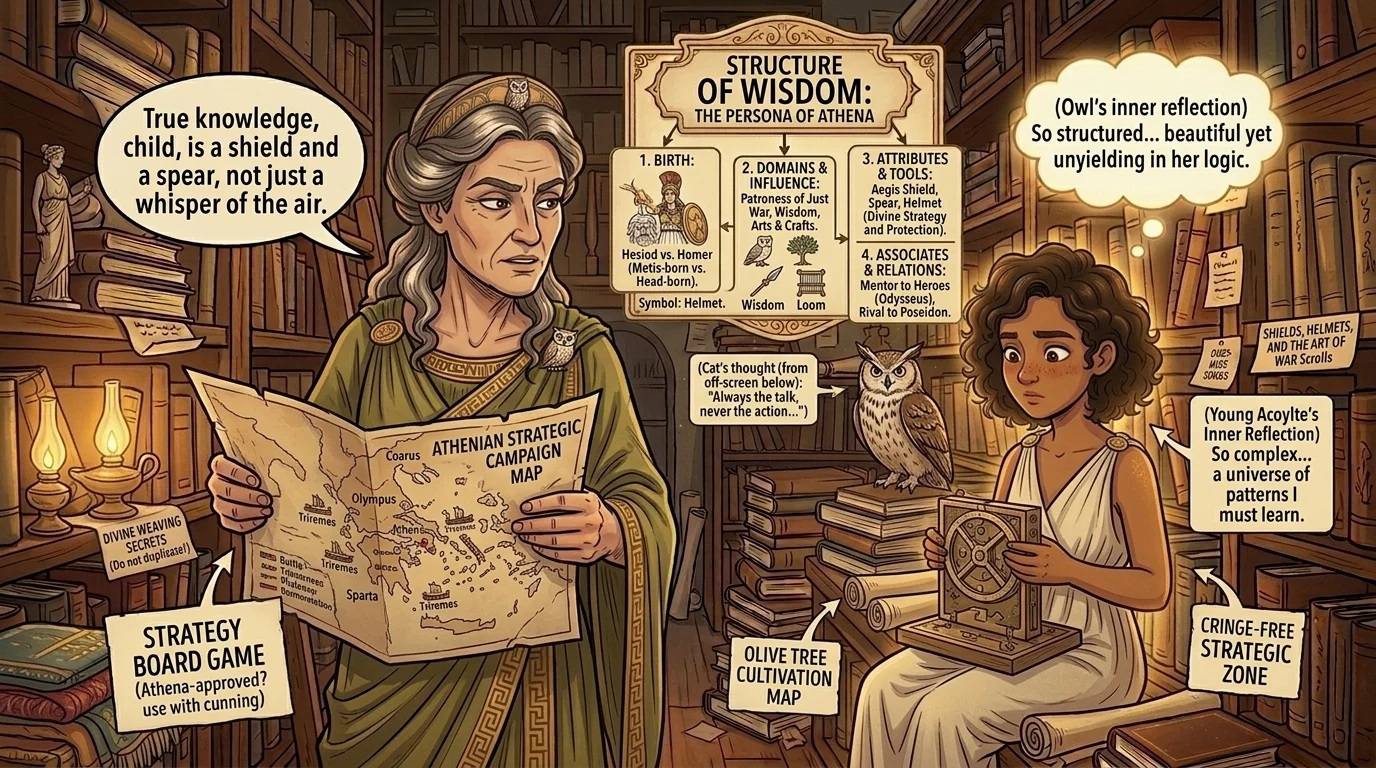
Athena is one of the most respected figures in Greek mythology. She is the goddess of wisdom, strategic warfare, justice, handicrafts, and civilization.
According to mythology, Athena was born fully grown and wearing armor from the forehead of Zeus after he experienced an intense headache. This unusual birth symbolized her connection to wisdom and intellect rather than ordinary human origins.
Unlike Ares, who represented the chaos of battle, Athena represented careful planning, discipline, and intelligent leadership. Heroes such as Odysseus and Perseus frequently received her guidance during their adventures.
Symbols of Athena
Athena is commonly associated with:
- Owl
- Olive tree
- Spear
- Shield
- Helmet
- Aegis
The owl became a lasting symbol of knowledge and wisdom because of its connection to Athena.
Aphrodite: Goddess of Love and Beauty
Few Greek goddesses are as famous as Aphrodite.
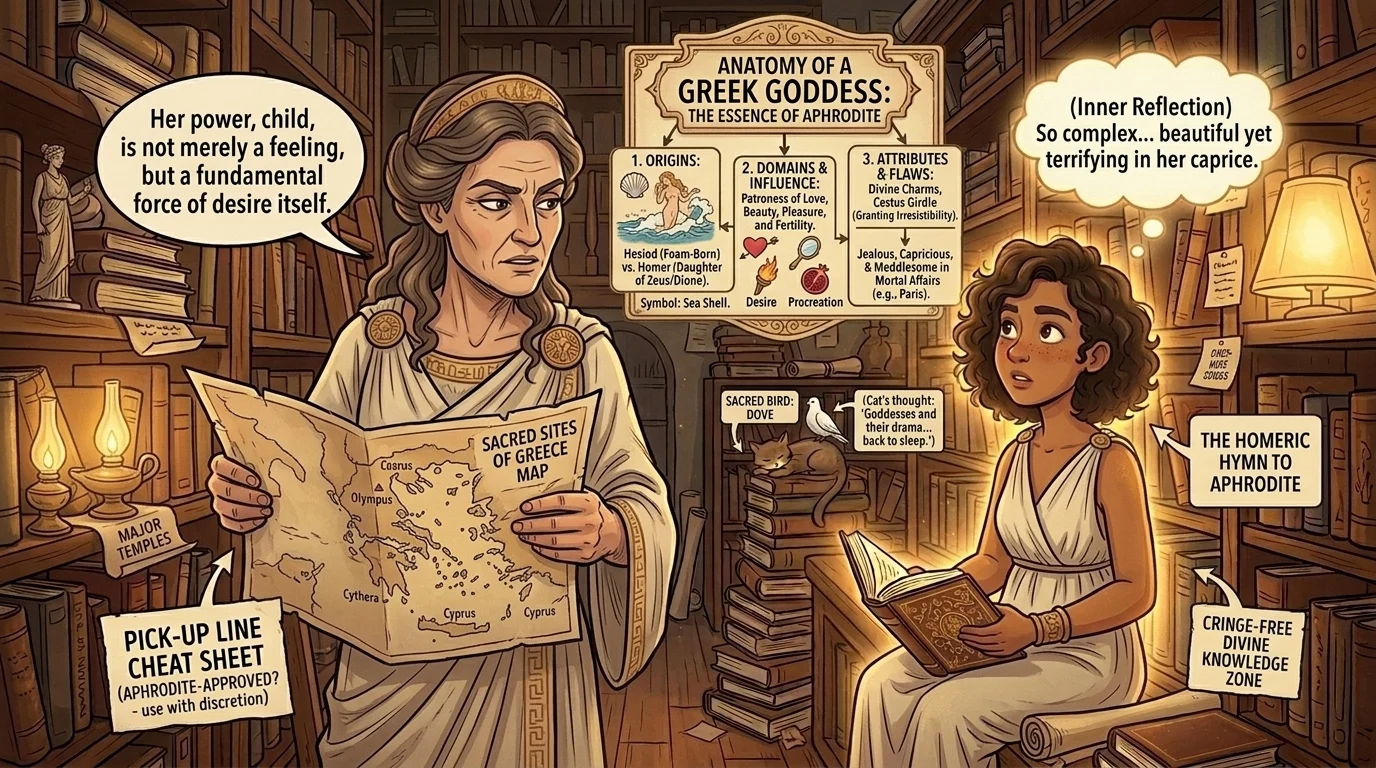
She represents love, beauty, passion, attraction, fertility, and desire. Ancient myths describe her as possessing extraordinary beauty capable of influencing both gods and mortals.
According to one famous tradition, Aphrodite emerged from sea foam near the island of Cyprus, giving her one of mythology’s most iconic origin stories.
Her stories often explore romance, jealousy, temptation, and relationships, making her one of the most recognizable figures in classical mythology.
Symbols of Aphrodite
Common symbols include:
- Dove
- Rose
- Swan
- Mirror
- Seashell
- Myrtle tree
Today, Aphrodite remains a symbol of beauty and romantic love across literature and popular culture.
Hera: Queen of the Gods
Hera served as the queen of Mount Olympus and was the wife of Zeus.
She ruled over marriage, women, family, childbirth, and queenship. While Hera protected married women, many myths also portray her as fiercely protective of her position and deeply angered by Zeus’s numerous affairs.
Because of these stories, Hera is often remembered as both a powerful protector of marriage and one of mythology’s most complex personalities.
Her influence extended throughout the Greek world, and numerous temples were dedicated to her worship.
Symbols of Hera
Her sacred symbols include:
- Peacock
- Cow
- Crown
- Pomegranate
- Cuckoo bird
The magnificent peacock became one of Hera’s most recognizable symbols because of its beauty and regal appearance.
Artemis: Goddess of the Hunt and the Moon
Artemis was one of the most admired Olympian goddesses, celebrated for her independence, courage, and deep connection with nature. She was the daughter of Zeus and Leto and the twin sister of Apollo. As the goddess of the hunt, wilderness, wild animals, and later the moon, Artemis symbolized freedom and self-reliance.
Ancient Greek myths describe her as a skilled archer who roamed forests with a loyal group of nymphs. She protected wildlife while also serving as a guardian of young women and children. Although fierce toward those who disrespected her or nature, Artemis was also known for her compassion toward those under her protection.
Symbols of Artemis
Artemis is commonly represented by:
- Bow and arrows
- Deer
- Crescent moon
- Cypress tree
- Hunting dogs
- Quiver
These symbols reflect her role as both a huntress and a protector of the natural world.
Demeter: Goddess of Agriculture and the Harvest
Demeter was the goddess responsible for agriculture, grain, harvests, and fertility of the earth. In ancient Greece, successful farming depended on her favor, making her one of the most important deities for everyday life.
One of the best-known myths tells the story of Demeter and her daughter Persephone. When Persephone was taken to the Underworld by Hades, Demeter’s grief caused crops to stop growing, leaving the earth barren. Her reunion with Persephone each spring explained the return of fertile land and the changing of the seasons.
Symbols of Demeter
Demeter’s traditional symbols include:
- Wheat
- Cornucopia
- Torch
- Poppy
- Grain
- Bread
Her myths emphasize renewal, motherhood, and humanity’s close relationship with nature.
Persephone: Queen of the Underworld
Persephone is one of the most fascinating figures in Greek mythology because she represents both life and death. As the daughter of Demeter and the wife of Hades, she spent part of each year in the Underworld and part on Earth.
Her annual return to her mother symbolized the arrival of spring and new life, while her descent marked autumn and winter. This myth became one of the most enduring explanations for the changing seasons in ancient Greek culture.
Rather than being portrayed solely as a victim, many later interpretations describe Persephone as a wise and powerful queen who ruled the Underworld alongside Hades. for more explore here:- cringe pick up lines and how to roast someone.
Symbols of Persephone
Common symbols include:
- Pomegranate
- Flowers
- Torch
- Seeds
- Narcissus flower
- Spring blossoms
Persephone continues to inspire modern novels, films, and artwork because of her story of transformation and resilience.
Hestia: Goddess of the Hearth and Home
Unlike many Olympian gods who frequently appeared in dramatic myths, Hestia represented peace, family, hospitality, and domestic harmony. She watched over every household hearth, making her one of the most respected deities in ancient Greek society.
Families traditionally offered the first and last portion of meals to Hestia, acknowledging her role in protecting the home. She chose a peaceful life over conflict and remained one of the few major Olympians rarely involved in disputes.
Symbols of Hestia
Hestia is associated with:
- Hearth fire
- Fireplace
- Kettle
- Home
- Flame
- Circle
Her gentle nature made her a symbol of stability, warmth, and unity.
Lesser-Known Greek Goddesses Worth Knowing
While the Olympian goddesses receive most of the attention, several other female deities played significant roles in Greek mythology.
Nike
Nike is the goddess of victory. She symbolizes success in athletic competitions, warfare, and personal achievement. The modern sportswear brand takes its name from this famous deity.
Iris
Iris served as the messenger of the gods and personified the rainbow. She carried divine messages between Olympus and Earth, often traveling swiftly across the sky.
Selene
Selene is the ancient goddess of the moon. Before Artemis became strongly associated with lunar imagery, Selene was the primary moon deity who drove her silver chariot across the night sky.
Eos
Eos represented the dawn and welcomed each new day by bringing light to the world before the sun appeared.
Hecate
Hecate was associated with magic, crossroads, ghosts, the night, and hidden knowledge. She became an influential figure in later folklore and modern fantasy literature.
Greek Goddesses in Modern Culture
Although these myths originated thousands of years ago, Greek goddesses continue to influence modern storytelling and popular culture.
Their stories appear in:
- Movies and television series
- Fantasy novels
- Video games
- Comic books
- Fashion collections
- Jewelry designs
- Baby names
- Tattoos
- Paintings
- Educational programs
Characters inspired by Athena often embody intelligence and leadership, while Aphrodite represents beauty and romance. Artemis is admired as a symbol of independence, and Persephone has become a popular figure in contemporary fantasy and romance fiction.
Their timeless qualities allow each generation to reinterpret these myths in fresh and meaningful ways.
Why Greek Goddesses Still Matter Today
Greek mythology may be thousands of years old, but its themes remain surprisingly relevant. The stories of Greek goddesses explore love, courage, wisdom, jealousy, loyalty, family, justice, and personal growth—qualities that still resonate with modern audiences.
Writers, filmmakers, and artists continue to draw inspiration from these legendary figures because they represent universal human experiences. Athena reminds us to value intelligence over brute force, Artemis encourages independence, Demeter symbolizes unconditional love, and Persephone teaches resilience through change.
These myths also help readers understand the beliefs and values of ancient Greece. Temples, festivals, and works of art dedicated to these goddesses reveal how mythology shaped religion, politics, and everyday life. Even today, their names appear in books, films, businesses, constellations, and educational programs, proving that their cultural influence is far from over.
Famous Greek Goddesses at a Glance
| Greek Goddess | Domain | Common Symbols |
|---|---|---|
| Athena | Wisdom, strategy, crafts | Owl, olive tree, spear |
| Aphrodite | Love, beauty, desire | Dove, rose, seashell |
| Hera | Marriage, family, queenship | Peacock, crown, pomegranate |
| Artemis | Hunting, wilderness, moon | Bow, deer, crescent moon |
| Demeter | Agriculture, harvest | Wheat, torch, cornucopia |
| Persephone | Spring, Underworld | Pomegranate, flowers |
| Hestia | Home, hearth, family | Sacred fire, hearth |
| Nike | Victory | Wings, laurel wreath |
| Iris | Rainbow, divine messenger | Rainbow, staff |
| Selene | Moon | Moon chariot, crescent |
Interesting Facts About Greek Goddesses
- Athena was regarded as the patron goddess of the city of Athens.
- Aphrodite was believed to have extraordinary beauty that captivated both gods and mortals.
- Artemis was one of the few Olympian deities who chose to remain unmarried.
- Hera was honored as the protector of marriage and queenship.
- Demeter’s story with Persephone became the mythological explanation for the changing seasons.
- Hestia represented peace and domestic harmony rather than warfare or conflict.
- Nike became an enduring symbol of victory and success.
- Greek goddesses inspired countless sculptures, temples, poems, and plays throughout the ancient world.
Frequently Asked Questions
Q: Who is the most powerful Greek goddess?
A: There is no single answer because each goddess ruled a different domain. Athena was revered for wisdom and strategy, Hera for her authority as queen of Olympus, and Aphrodite for her influence over love and desire. Their power depended on the myths and situations in which they appeared.
Q: Who is the Greek goddess of love?
A: Aphrodite is the Greek goddess of love, beauty, passion, and attraction. She is one of the best-known figures in Greek mythology and appears in many famous myths involving both gods and mortals.
Q: Who is the goddess of wisdom in Greek mythology?
A: Athena is the goddess of wisdom, strategic warfare, justice, and skilled craftsmanship. She is often portrayed wearing armor and carrying a spear while accompanied by an owl, her most recognizable symbol.
Q: Which Greek goddess represents nature?
A: Artemis is most closely associated with nature, wildlife, forests, and hunting. She is considered the protector of wild animals and the wilderness, making her one of the most beloved deities in Greek mythology.
Q: Are Greek goddesses still important today?
A: Yes. Greek goddesses continue to inspire literature, movies, television, video games, art, fashion, and education. Their myths remain popular because they explore timeless themes such as love, wisdom, courage, family, and personal transformation.
Conclusion
Greek goddesses remain some of the most influential and recognizable figures in world mythology. From Athena’s wisdom and Aphrodite’s beauty to Artemis’s independence, Demeter’s devotion, and Persephone’s transformation, each goddess represents qualities that continue to inspire people across generations.
Their stories offer far more than ancient legends. They provide insight into the beliefs of one of history’s greatest civilizations while exploring universal themes that still resonate today. Whether you’re interested in mythology, history, literature, or simply enjoy legendary tales, learning about Greek goddesses is a fascinating way to discover how these timeless figures continue to shape modern culture.
As new books, films, and adaptations bring these legendary women to life, their myths remain as compelling and meaningful as ever.